
How we work
Four steps from the first message to the final order, and at each one you know where your case stands.
How we work
The reason most people stay anxious about a case is that nobody tells them anything. Our process is built to remove that.
Step 1
Bring the papers
A first meeting at the office or over WhatsApp. Bring whatever documents you have, in whatever state they are in. We will tell you what is missing.
- Notices, FIRs, agreements, fard or jamabandi, court orders
- Your CNIC and the other side's details, if known
- Dates: when it happened, when you were served, the next hearing
Step 2
An honest reading
We tell you what the case is worth, what it will likely take, and where it is weak, before you commit to anything.
- A plain-language opinion on the merits
- The forum, the likely timeline and the realistic outcomes
- Fees agreed and confirmed in writing before any filing
Step 3
We appear
Drafting, filing and appearance are ours. You attend only on the dates the court actually needs you.
- Pleadings drafted and filed by the advocate who met you
- Prepared before every hearing, no adjournments sought for our convenience
- Court dates confirmed with you in advance
Step 4
You hear from us
After every hearing, a message telling you what happened and what the next date is. You never have to chase.
- A WhatsApp update after each hearing
- Copies of orders as they are issued
- One advocate, start to finish
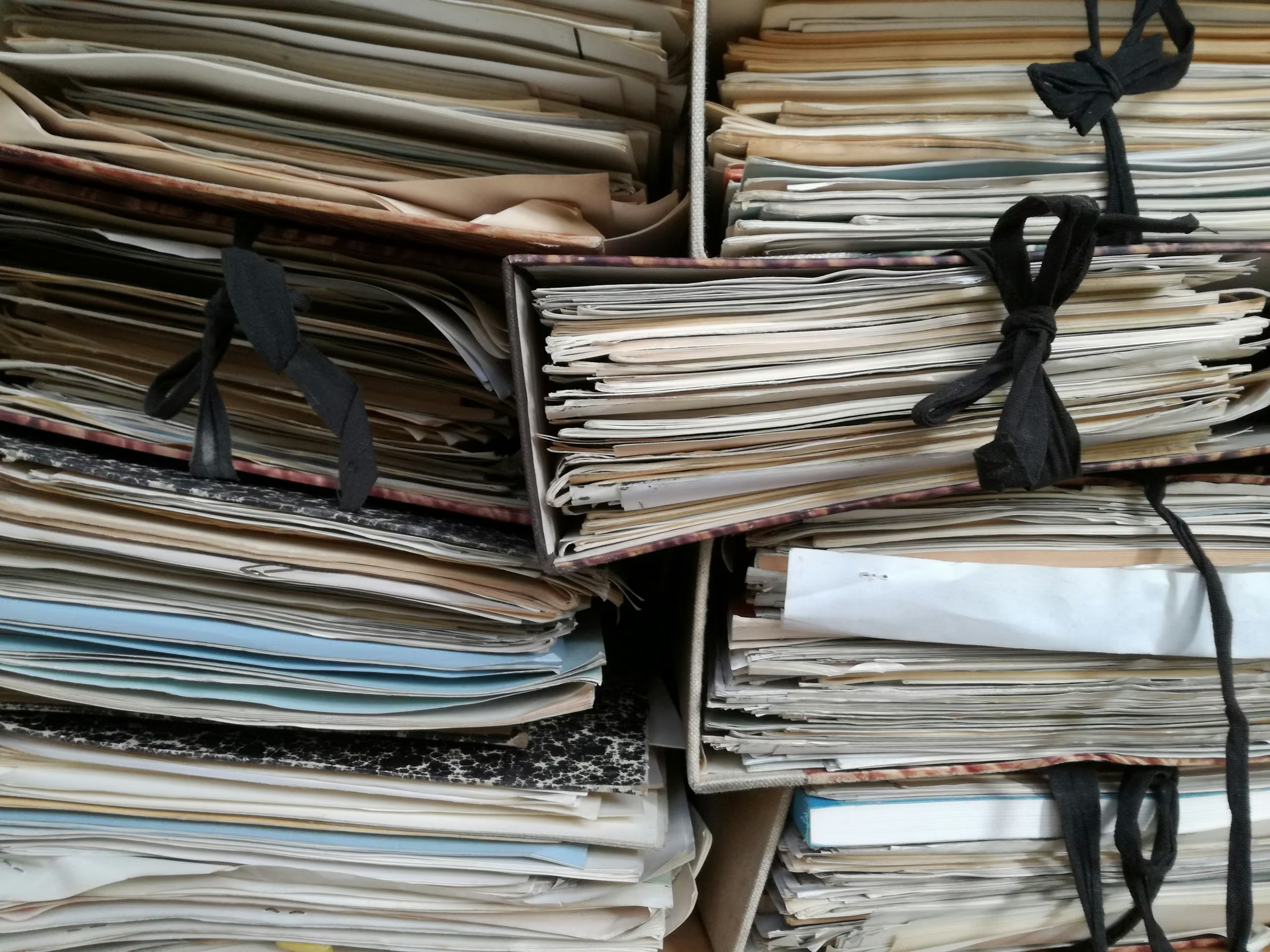



What to bring
Bring whatever you have, in whatever state it is in. If something is missing we will tell you how to get it.
- 1Any notice, summons or the FIR
- 2Agreements, the registry or sale deed, and receipts
- 3The fard or jamabandi, for land matters
- 4Previous court orders and pleadings
- 5Your CNIC, and the other side's details if you know them
- 6Dates: when it happened, when you were served, the next hearing
On timelines
How long things take
Courts set their own pace. Bail and interim orders are usually decided within days or weeks; a contested trial or civil suit can take years. We tell you the realistic timeline at the start, and we tell you honestly when a delay is outside anyone's control.
Describe the matter in a few lines. We will tell you what to bring and when to come.
+92 3110220257·Please do not send case documents in a first message. We will tell you what to bring.