Skip to content

Khula, dower, maintenance and custody

Dissolution of marriage and khula, dower and maintenance, custody and guardianship, and recovery of dowry articles before the Family Courts of Lahore. Handled with discretion, by one advocate throughout.

Overview

Family cases are the matters people least want to bring to a lawyer and most need to. A marriage that has ended, a wife who is not being maintained, a father who has not seen his children in months, dowry that was never returned: each has a defined procedure under the Family Courts Act, and each moves faster than most people expect once it is filed properly.

Fortis Legal Partners represents wives, husbands and parents before the Family Courts and Guardian Judges of Lahore and, on appeal, before the District Judge and the Lahore High Court. We advise on khula and talaq, the recovery of dower (haq mehr), past and future maintenance for wife and children, custody (hizanat) and visitation, guardianship certificates, and suits for the return of dowry articles.

Discretion is a rule of the office, not a courtesy. Family matters are discussed with you alone, in the language you are comfortable in, and nothing about your case leaves the firm.

Who this is for

  • Wives seeking khula, dower, maintenance or the return of dowry
  • Husbands responding to family suits or seeking visitation and custody
  • Parents and grandparents applying for guardianship of a minor
  • Overseas spouses who need representation in Lahore through a power of attorney

Typical matters

  • Suits for dissolution of marriage by khula
  • Recovery of dower (haq mehr), prompt and deferred
  • Maintenance (nafqa) for wife and children, past and future
  • Custody (hizanat), guardianship and visitation schedules
  • Recovery of dowry articles and bridal gifts
  • Restitution of conjugal rights and jactitation of marriage
  • Notices and certificates under the Muslim Family Laws Ordinance before the Union Council
  • Appeals before the District Judge and writs before the Lahore High Court

Statutes and rules

  • West Pakistan Family Courts Act, 1964
  • Muslim Family Laws Ordinance, 1961
  • Dissolution of Muslim Marriages Act, 1939
  • Guardians and Wards Act, 1890
  • Dowry and Bridal Gifts (Restriction) Act, 1976

What the process looks like

  1. 1

    A private first meeting

    The nikahnama, any prior notices and the children's details are reviewed, and every claim available to you is explained.

  2. 2

    One plaint, all claims

    Khula, dower, maintenance, custody and dowry can be joined in a single suit before the Family Court, which saves months.

  3. 3

    Pre-trial reconciliation and interim orders

    The court attempts reconciliation; if it fails, interim maintenance and visitation orders are sought at once.

  4. 4

    Evidence, decree and execution

    Evidence is recorded on a tight schedule; decrees for money are executed through the court, including by attachment of salary.

Where these matters are heard

Family & Guardian Courts

Governing law: West Pakistan Family Courts Act, 1964 and Guardians and Wards Act, 1890

Dissolution of marriage and khula, dower and maintenance, custody, guardianship and visitation, and recovery of dowry articles, before the Family Courts and Guardian Judges in Lahore and across Punjab.

District Courts, Lahore

The civil and sessions courts where most matters begin: civil suits before Civil Judges and Additional District Judges, and criminal trials before Magistrates and Sessions Judges. The firm was founded in the District Courts of Dera Ghazi Khan and still treats trial-court work as the core of the practice.

Lahore High Court

Governing law: Article 199 of the Constitution of Pakistan, 1973

Constitutional (writ) petitions under Article 199, civil and criminal appeals and revisions, bail before the High Court, and references from tax and customs tribunals. Both founding partners have been Advocates of the High Court since 2023.

Questions clients ask

If the husband does not appear, a khula decree can be passed within a few months. Where he contests, the reconciliation stage and evidence usually take longer, but the Family Courts Act requires the court to decide within six months and most Lahore courts work to that schedule.

Ask this on WhatsApp

Usually the wife returns the dower she received in exchange for khula, but deferred dower that was never paid and other claims such as maintenance and dowry are decided separately. Where the husband is at fault, courts have declined to order any return. It depends on the facts and the nikahnama.

Ask this on WhatsApp

The welfare of the child is the deciding factor. As a general rule the mother has custody of young children (hizanat) and the father remains the natural guardian responsible for maintenance, with a visitation schedule fixed by the Guardian Judge. Each case is decided on its own circumstances.

Ask this on WhatsApp

Yes. A special power of attorney attested by the Pakistani consulate allows a relative or the advocate to act for you, and evidence can be recorded through a commission or video link in appropriate cases.

Ask this on WhatsApp

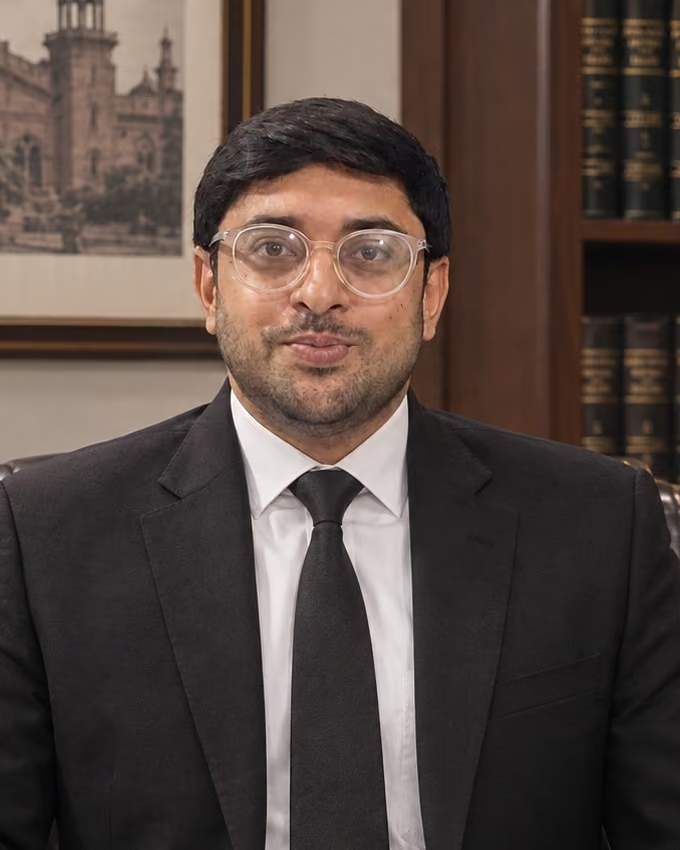
Handled by

FORTIS LEGAL PARTNERSEST. 2021 · LAHOREF

The firm

Fortis Legal Partners

Three practising advocates, one file owner

Nothing on this page is legal advice and no representation is made as to the outcome of any matter.

Describe it in a short WhatsApp message. Someone from the firm reads it, tells you whether it is something we handle, and fixes a time.

+92 3110220257·Please do not send case documents in a first message. We will tell you what to bring.